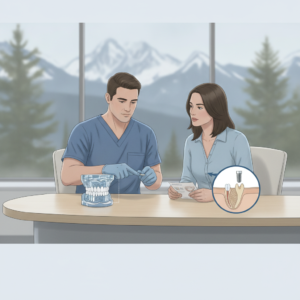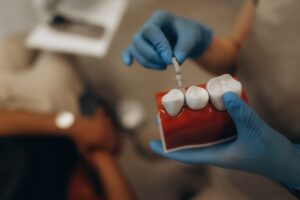

Maybe a cold drink sends a zap through one tooth, or you’ve noticed a tooth looks longer than the ones beside it. Those are often signs your gums are pulling back, and they lead a lot of people to ask the same thing: why do you need gum graft surgery? Usually, it’s to cover and protect what’s been exposed before it causes bigger problems.
Your gums do more than frame your smile. They protect the roots of your teeth and play a big part in your overall oral health. At PerioWest, our periodontal practice in Eden Prairie, Minnesota, gum grafting is one of the ways we restore both the health and the look of your gums.
What Gum Graft Surgery Involves
Gum graft surgery is a periodontal procedure that corrects gum recession and strengthens thin or damaged gum tissue. Tissue, often taken from the roof of the mouth, is placed over areas where the gums have receded, helping protect the teeth from further damage and decay.
There are three main types of gum grafts. Connective-tissue grafts use tissue from just under the surface of the palate. Free gingival grafts use a thin layer from the palate’s surface, often to thicken gums. Pedicle grafts move nearby gum tissue over the root while it stays partly attached. Each one suits different needs, and your periodontist will recommend the right approach for you.
Why Do You Need Gum Graft Surgery?
The main reason for gum graft surgery is gum recession. As the gum tissue around a tooth wears away, the root surface is exposed. Roots aren’t covered by hard enamel the way the crown of the tooth is, so they’re more sensitive and more vulnerable.
That exposure can lead to tooth sensitivity, a higher risk of decay on the root, and, over time, even tooth loss. Understanding why you need gum graft surgery helps you see it as a way to prevent more serious dental problems, not just a cosmetic fix.
Recession can come from brushing too hard, gum disease, grinding your teeth, genetics, or a tooth sitting slightly out of line. Often it’s a mix, which is why fixing the cause matters as much as the graft itself.
Signs You May Need a Gum Graft
Spotting gum recession early leads to simpler treatment. Watch for sensitivity to hot and cold, teeth that look longer than they used to, a notch you can feel near the gumline, or a gumline that looks uneven.
If you notice any of these, a consultation with an experienced periodontist at PerioWest in the Twin Cities area is a smart next step. Recession doesn’t usually reverse on its own, so earlier is better.
Benefits of Gum Graft Surgery for Health and Appearance
Gum graft surgery does more than improve how your smile looks. Medically, it helps stop further recession, protects exposed roots, and reduces sensitivity. That can mean drinking iced tea or eating ice cream without bracing yourself.
On the cosmetic side, a graft creates a more even, balanced gumline, which is a common concern for people who want a healthier-looking smile. For more ways to improve how your gums look, our cosmetic periodontics services offer other options at PerioWest.
The Gum Graft Surgery Process Step by Step
It all starts with a thorough consultation and exam, where your periodontist measures the recession and checks the health of your gums and bone.
During surgery, the area is numbed with local anesthetic, and the graft tissue is carefully placed over the affected area. The procedure is straightforward, and most patients report only mild discomfort.
Before surgery, we’ll talk through comfort options, including sedation, and go over aftercare so you know exactly what to expect. PerioWest also uses The Wand, a computer-assisted system for delivering local anesthetic more gently.
Recovery and Aftercare After a Gum Graft
Recovery after gum graft surgery usually takes about two weeks. During that time, you’ll follow specific diet guidelines, like sticking to soft, cool foods, and use any prescribed mouth rinse to keep the area clean while it heals.
Our team at PerioWest will give you detailed aftercare instructions to support healing. A few practical tips: avoid brushing the graft site until you’re told it’s okay, skip crunchy or spicy foods, and don’t stretch your lip to peek at the area. For help keeping your gums healthy long term, read about our periodontal maintenance services.
How Gum Graft Surgery Differs From Other Gum Treatment Options
There are several ways to treat gum problems, but gum graft surgery is uniquely suited to significant gum recession. Treatments like scaling and root planing may come first to clean infection from below the gumline, but they can’t replace lost gum tissue in advanced cases.
At PerioWest, we create personalized care plans and use modern techniques and technology, such as Piezosurgery, along with less invasive options like the Pinhole technique when they fit your case.
FAQs About Why You Need Gum Graft Surgery
Is the procedure painful?
Most patients report only mild discomfort, which is usually well managed with medication. The area is numbed during surgery, and sedation is available if you’re anxious.
How long is the recovery time?
Most people recover in about two weeks, though full maturing of the gum tissue takes longer.
Will I need multiple procedures?
It depends on how much recession you have and where. Your consultation will show whether one procedure or several makes the most sense.
Are financing options available?
Yes. PerioWest offers patient financing and will go over your payment options during your treatment conference.
How do I know if I’m a candidate?
A thorough evaluation with our periodontist at PerioWest will determine whether a gum graft is right for you.
Protecting Your Smile From the Gums Up
Gum recession can feel worrying, especially when you can see your teeth changing. The good news is that it can be treated, and the sooner you act, the more of your natural smile you protect.
If you’re dealing with sensitivity or receding gums, reach out to PerioWest in Eden Prairie, serving Minneapolis and the Twin Cities. Schedule a consultation in Minnesota, and we’ll answer the question on your mind: Why do you need gum graft surgery?